May

Baja California Sur is one of the most dynamic marine ecosystems in the Eastern Pacific. The best time to visit depends entirely on what you want to experience.
At Mind the Seas, we operate expeditions during three distinct seasonal windows: January for Revillagigedo and large pelagic diving, May for the mobula migration and ocean safaris around La Ventana, and November for the Mexican Sardine Run, whale sharks, sea lions and diving in Cabo Pulmo.
BAJA CALIFORNIA SUR WILDLIFE CALENDAR
| When | Where | Main experience | Diving level |
| February – March | Sea of Cortez & Pacific Ocean | Humpback whales, gray whales, blue whales, whale shark | No diving |
| April – June | La Ventana | Mobula migration, ocean safari, cetaceans | Snorkelling |
| October – December | Mag Bay · La Paz · Cabo Pulmo | Sardine Run, whale sharks, sea lions, diving | Open Water |

When is the best time to visit Baja California Sur?
OUR EXPERIENCE IN BAJA CALIFORNIA SUR
Mind the Seas was born from years of working, diving and leading expeditions across Baja California Sur. Today, we return several times each year, designing small-group journeys around the natural rhythms of the region rather than offering the same itinerary year-round.
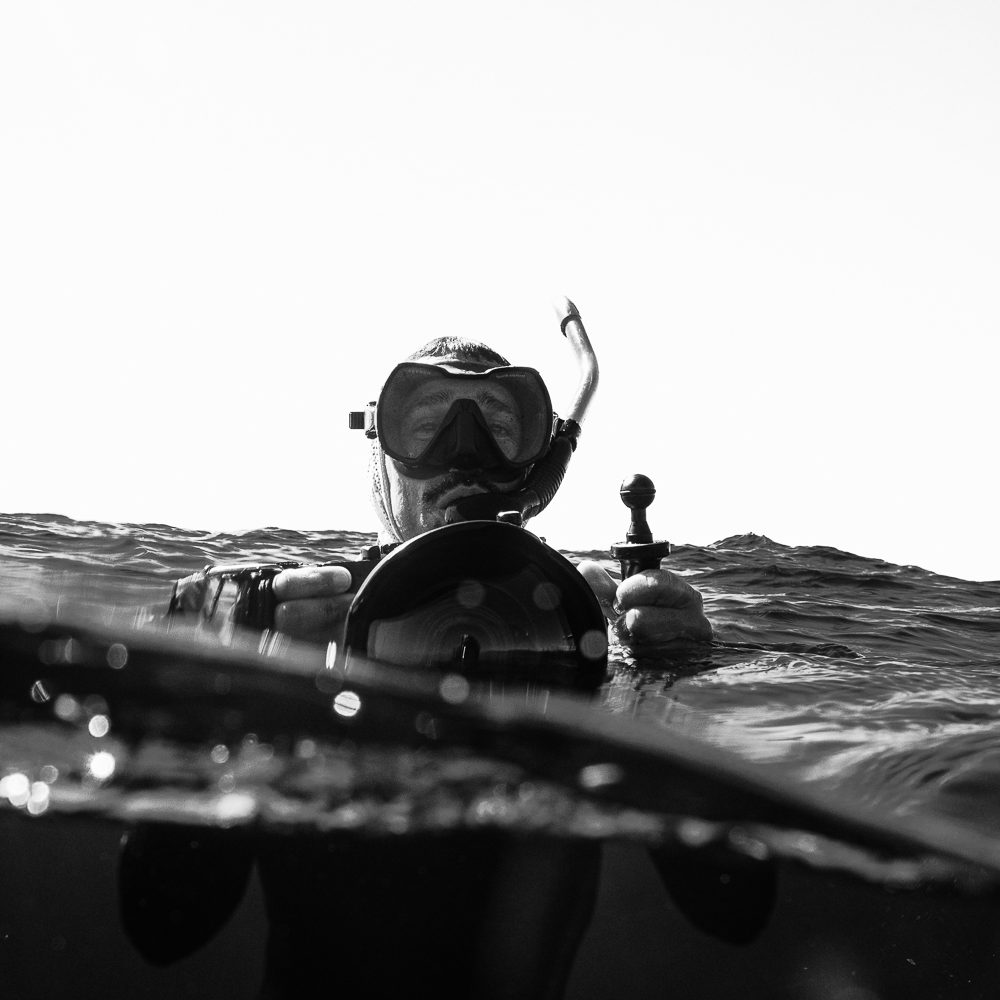
Our expeditions are intentionally kept small and are built in close collaboration with experienced local captains, dive professionals and guides who know these waters intimately. Depending on the departure, the team may also include underwater photographers, marine biologists and specialist expedition leaders, adding both scientific context and a deeper understanding of the encounters we experience at sea.
For us, Baja is not a destination we visit once a year. It is a place we return to continuously, following its changing seasons, learning from the people who work on the water every day, and refining each expedition around what is actually happening in the ocean.
REVIEWS ON THE EXPERIENCE
THE TEAM

There is no single “best” time to visit Baja California Sur for marine wildlife — it depends entirely on what you want to see.
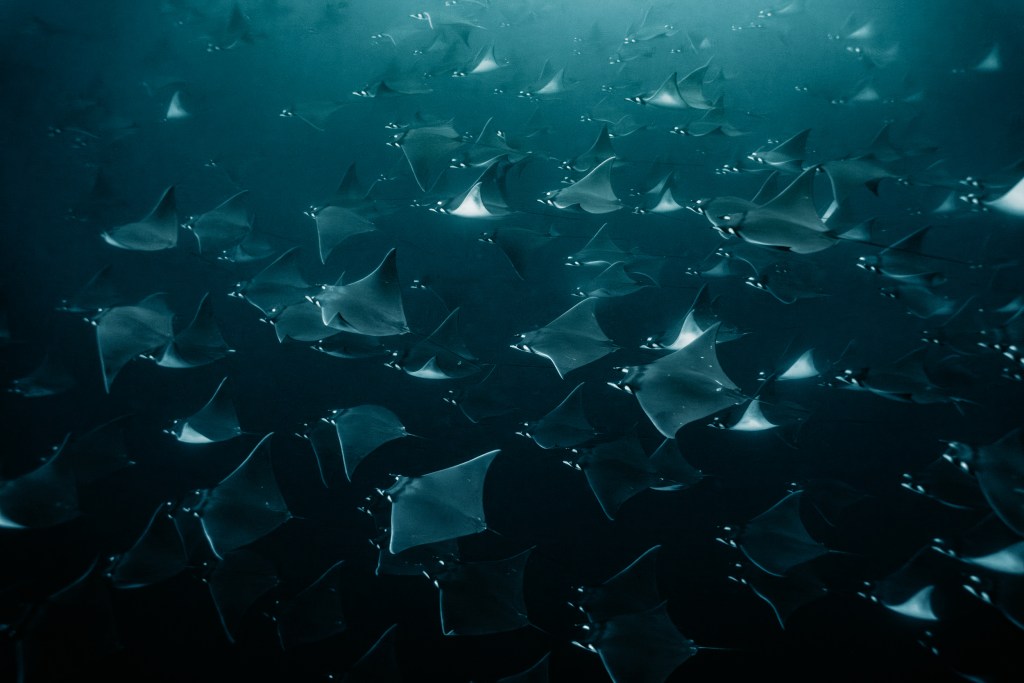
Baja changes dramatically throughout the year. Spring brings large aggregations of mobula rays to the southern Sea of Cortez; autumn is associated with the Mexican Sardine Run in Magdalena Bay and the return of whale sharks to La Paz; winter brings migrating whales and some of the region’s best pelagic diving. Instead of choosing Baja first and the wildlife second, we recommend choosing the natural event you want to experience and planning your trip around its season.
Learn more: Best time to visit Baja California Sur →
The main season for large aggregations of Munk’s devil rays (Mobula munkiana) in southern Baja California Sur runs from approximately April to June, with May being particularly important.
The waters around La Ventana and Ensenada de Muertos are recognised as critical habitat for this species. Scientific studies have recorded reproductive behaviour from March to August, with a strong peak in May, while research in the Gulf of California also identifies April to June as an important reproductive and pupping period. Their movements are influenced by ocean temperature, prey availability and other environmental conditions, so the exact timing and size of aggregations vary from year to year.
Learn more: Mobula migration in Baja California Sur →
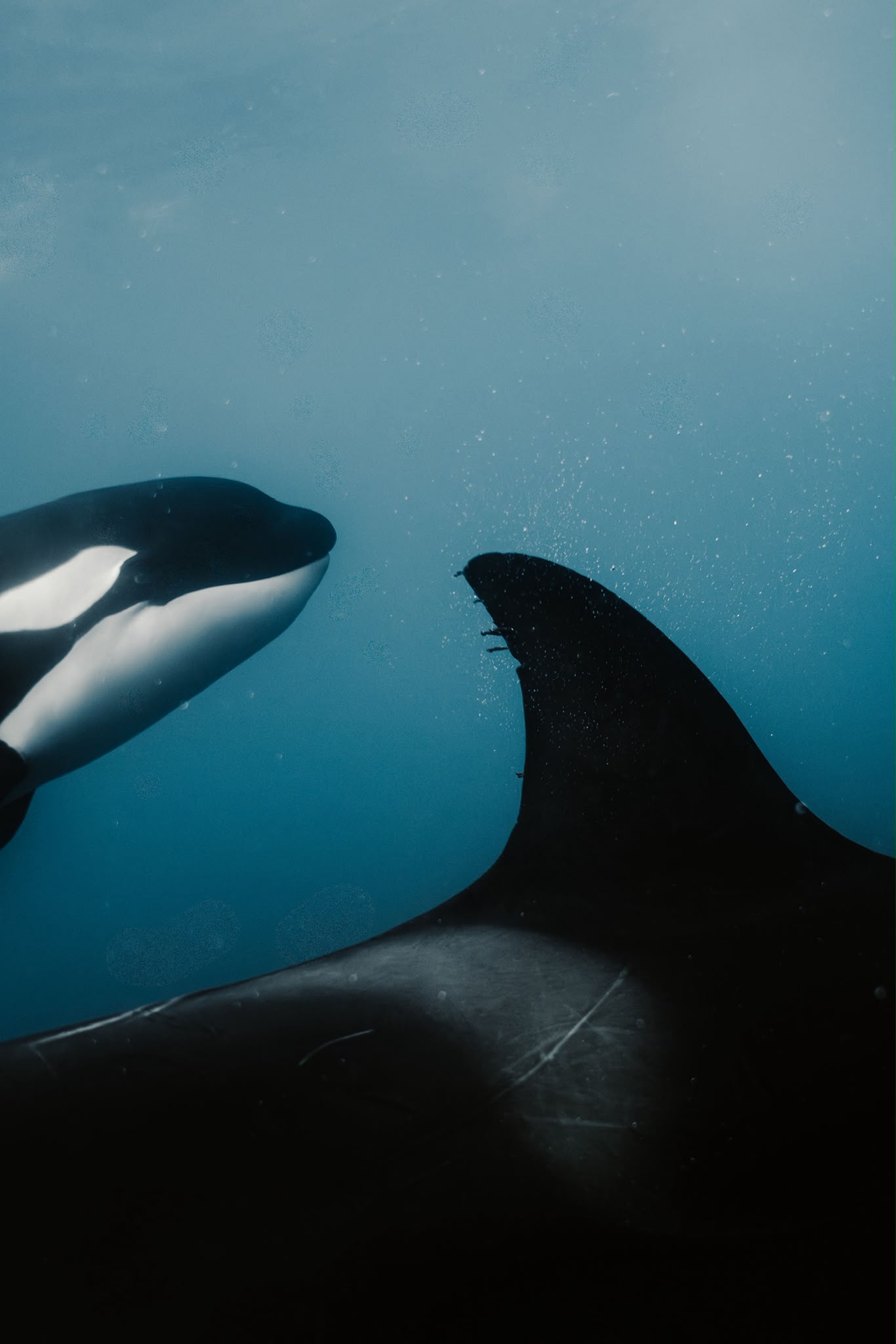
Yes. Orcas (Orcinus orca) are regularly encountered in Baja California Sur, particularly in the southern Gulf of California, although sightings are never guaranteed.
The region supports highly productive marine ecosystems and large concentrations of potential prey, including mobula rays, dolphins, fish and other marine mammals. Around La Ventana, orca encounters can overlap with the spring mobula season, making this one of the most exciting periods for open-ocean wildlife searches. Mexico now has specific management guidance for orca observation and swimming activities in the La Ventana region, reflecting the importance of managing these encounters responsibly.
At Mind the Seas, we treat every orca encounter as exactly what it is: a completely wild interaction.
Learn more: Orcas in Baja California Sur →
The Mexican Sardine Run is a seasonal feeding event in Magdalena Bay in which huge schools of sardines and other small pelagic fish attract some of Baja California Sur’s most spectacular predators.
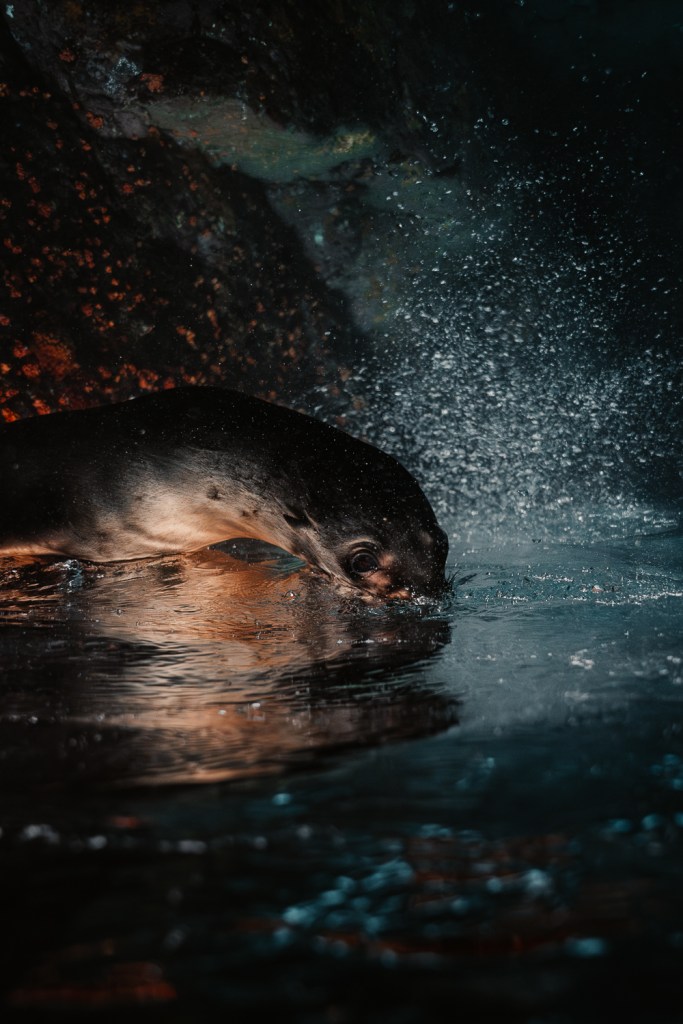
Striped marlin are among the stars of the event, but sea lions, dolphins, seabirds and other pelagic predators may also join the hunt. The fish compress into dense baitballs as predators attack from different directions, creating some of the most dynamic wildlife encounters in the Eastern Pacific.
Unlike scuba diving, the Sardine Run is primarily an open-ocean safari experience: we search for activity from the boat and enter the water when conditions and animal behaviour allow.
Learn more: The Mexican Sardine Run →
The Mexican Sardine Run in Magdalena Bay generally takes place from October through December, with conditions changing throughout the season.
During this period, nutrient-rich waters support large schools of baitfish, which in turn attract striped marlin, sea lions, dolphins, seabirds and other predators. The exact location of the action can change from day to day, which is why experienced local captains and time on the water are so important. Operators working regularly in Magdalena Bay describe the core season as mid-October through December.
Learn more: When to experience the Sardine Run in Magdalena Bay →
One of the best-known places to swim with whale sharks in Baja California Sur is the Bay of La Paz — but it is a seasonal and regulated activity.
Whale sharks (Rhincodon typus) aggregate in the bay to feed on plankton and other small organisms. The officially managed observation season generally runs from October to April, although their presence is ultimately determined by environmental conditions and food availability. Swimming is permitted only under regulated conditions with authorised operators in order to limit disturbance to the animals.
Learn more: Swimming with whale sharks in La Paz →
There is no single best dive site in Baja California Sur — the region offers completely different underwater experiences depending on where and when you dive.
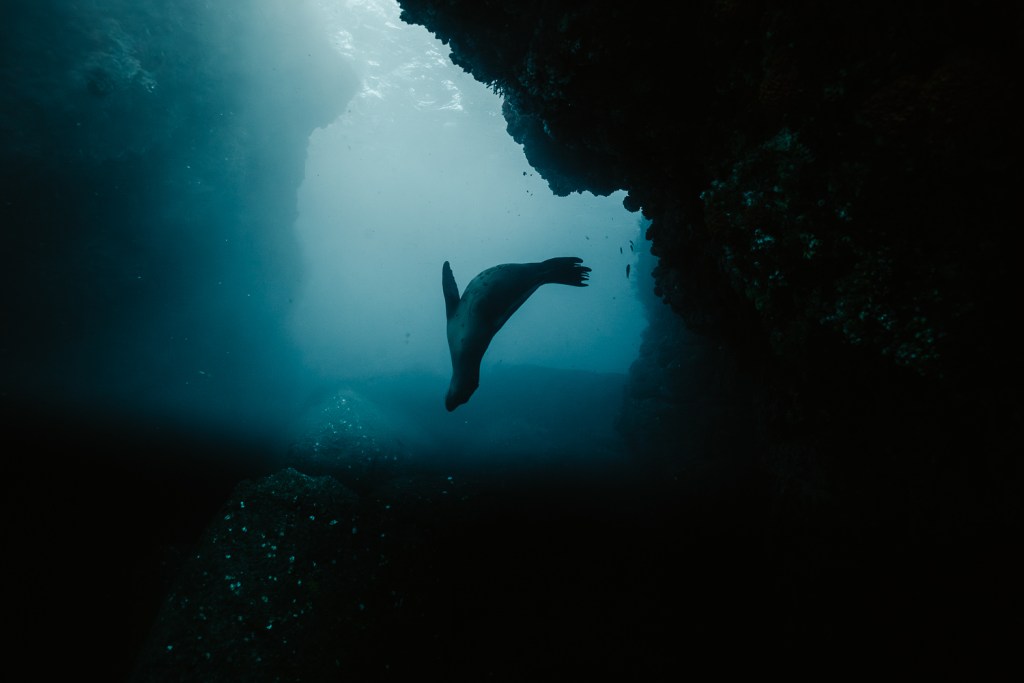
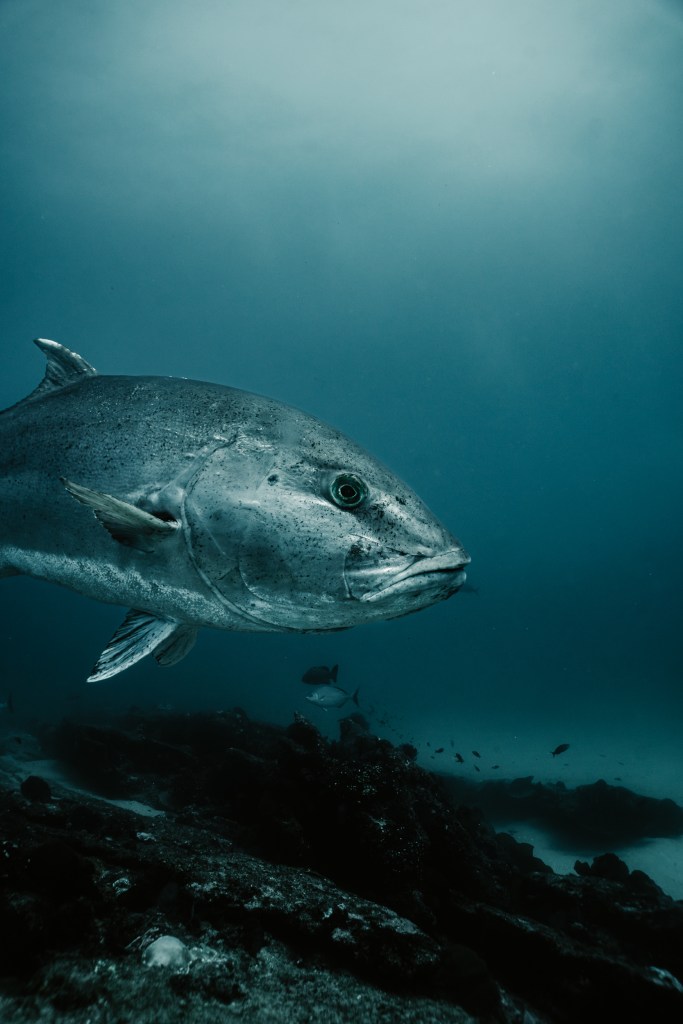
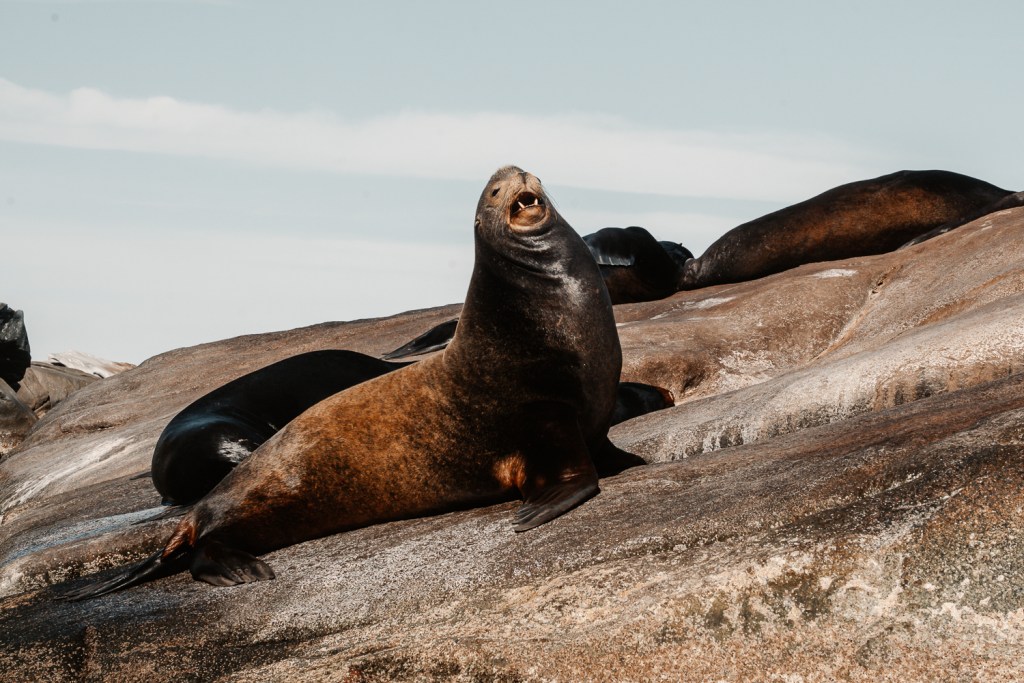
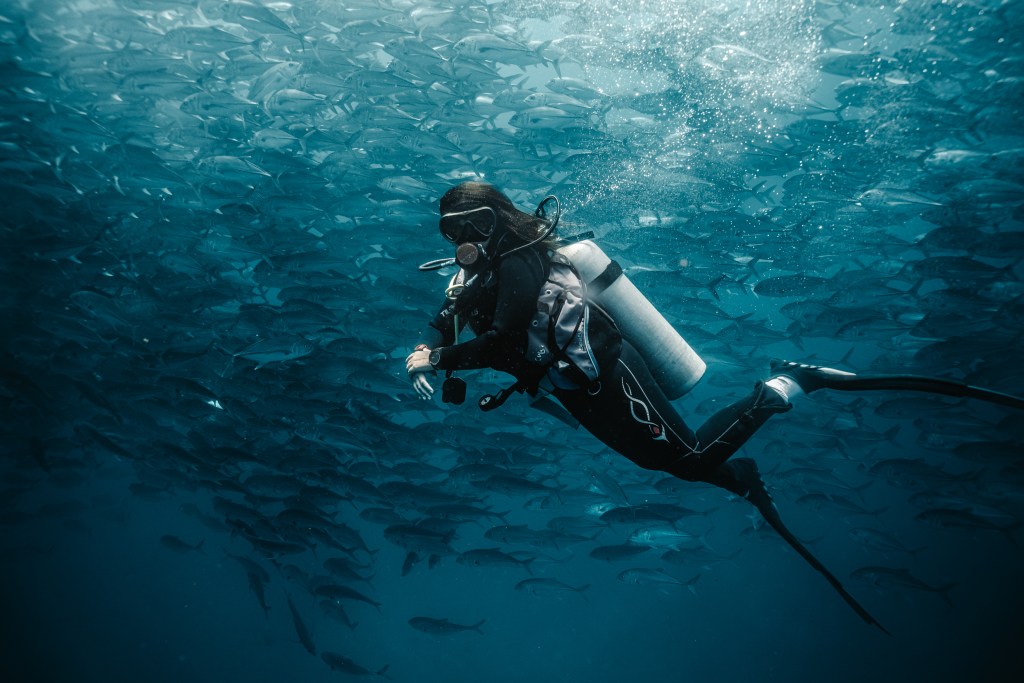
Cabo Pulmo offers reefs, large schools of fish, bull sharks and thriving marine life. La Paz is known for sea lions and the wider Sea of Cortez ecosystem. Further offshore, Revillagigedo offers some of Mexico’s most iconic pelagic diving, with giant oceanic mantas, sharks and dolphins.
For us, the best diving in Baja is not about choosing one site. It is about matching the right location with the right season and the type of encounter you want to experience.
Learn more: The best diving in Baja California Sur →
Not necessarily. It depends on the expedition.
Some Mind the Seas Baja journeys include scuba diving and therefore require an appropriate diving certification and experience level. Others are built around ocean safaris, where no scuba certification is necessary.
For our open-ocean expeditions, the most important requirement is that you are comfortable swimming and snorkelling in open water. Wildlife encounters may involve entering deep water directly from a boat and swimming calmly around moving animals, so confidence in the ocean matters far more than having a diving qualification.
For a dedicated marine wildlife expedition in Baja California Sur, we recommend approximately five to nine days.
A shorter trip can work if you are focusing on one region and one seasonal event, such as the mobula migration around La Ventana. If you want to combine several ecosystems — for example Magdalena Bay, La Paz and Cabo Pulmo — a week or more allows enough time to travel between regions without sacrificing valuable time on the water.
Baja is enormous. Trying to experience everything in three or four days usually means spending more time driving than observing wildlife.
Wildlife encounters in Baja California Sur can be extremely responsible — but the quality of the interaction depends heavily on the operator, captain and guide.
Ethical wildlife tourism means adapting to the behaviour of the animals rather than forcing an encounter. At Mind the Seas, we work with experienced local captains and guides, keep our groups small and prioritise natural behaviour over proximity or photographs.
We do not believe that seeing an animal justifies chasing, surrounding or repeatedly pressuring it. Where specific regulations exist — such as for whale sharks or orcas — those rules form the minimum standard, not the maximum standard. Mexico regulates several marine wildlife tourism activities specifically to reduce disturbance and protect the animals involved.
Our approach is simple: the encounter should happen on the animal’s terms.
The right Mind the Seas Baja expedition depends on two things: your experience in the water and the wildlife you most want to encounter.
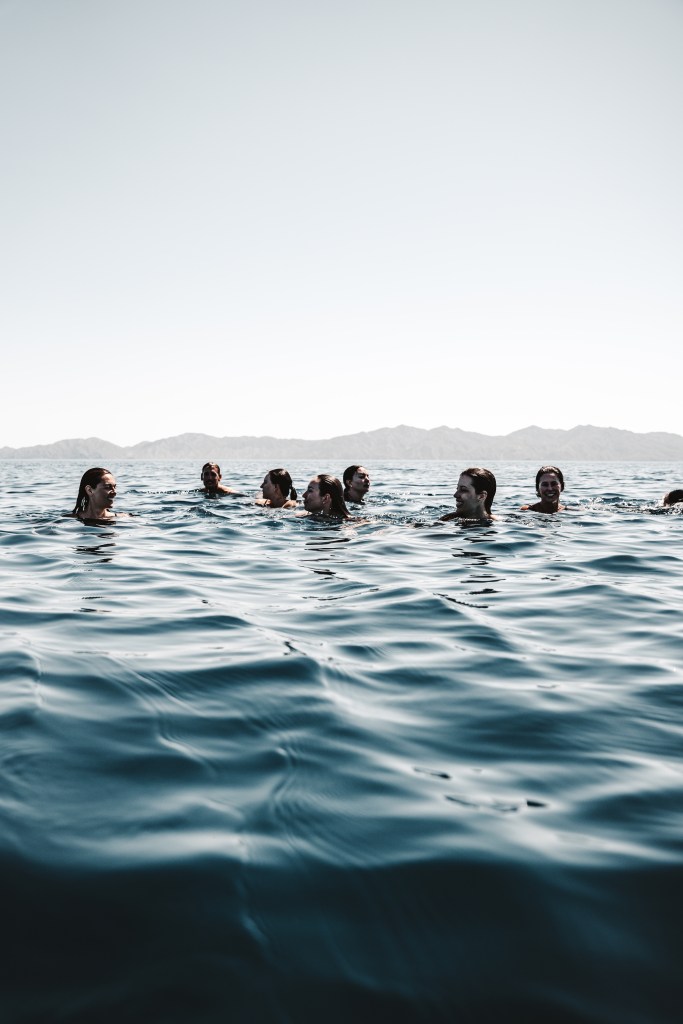
If you are comfortable snorkelling in open water and want a highly dynamic ocean safari, our spring expeditions around La Ventana focus on mobula aggregations and the wider pelagic ecosystem.
If you want to combine ocean safari with scuba diving, our autumn Baja road trip connects the Mexican Sardine Run in Magdalena Bay with whale sharks and sea lions around La Paz and diving in Cabo Pulmo.
For experienced divers looking for a completely different kind of Baja experience, our offshore expeditions focus on world-class pelagic diving.
If you are unsure which one fits you best, talk to us. Tell us how experienced you are in the water, whether you dive, and which animals you dream of seeing — and we will help you understand which expedition is the best fit.